Contraflow Bus Lane Explained
Contraflow Bus Lanes: What Every Driver Needs to Know
What is a Contraflow Bus Lane - If you’ve been out on Britain’s roads for any length of time, you’ll have noticed that the humble bus lane has become a common sight in towns and cities. They’re designed to keep buses moving freely, cutting through congestion and keeping public transport reliable. But one particular type of bus lane can still catch even seasoned drivers off guard — the contraflow bus lane.
What is a Contraflow Bus Lane?
What is a Contraflow Bus Lane?
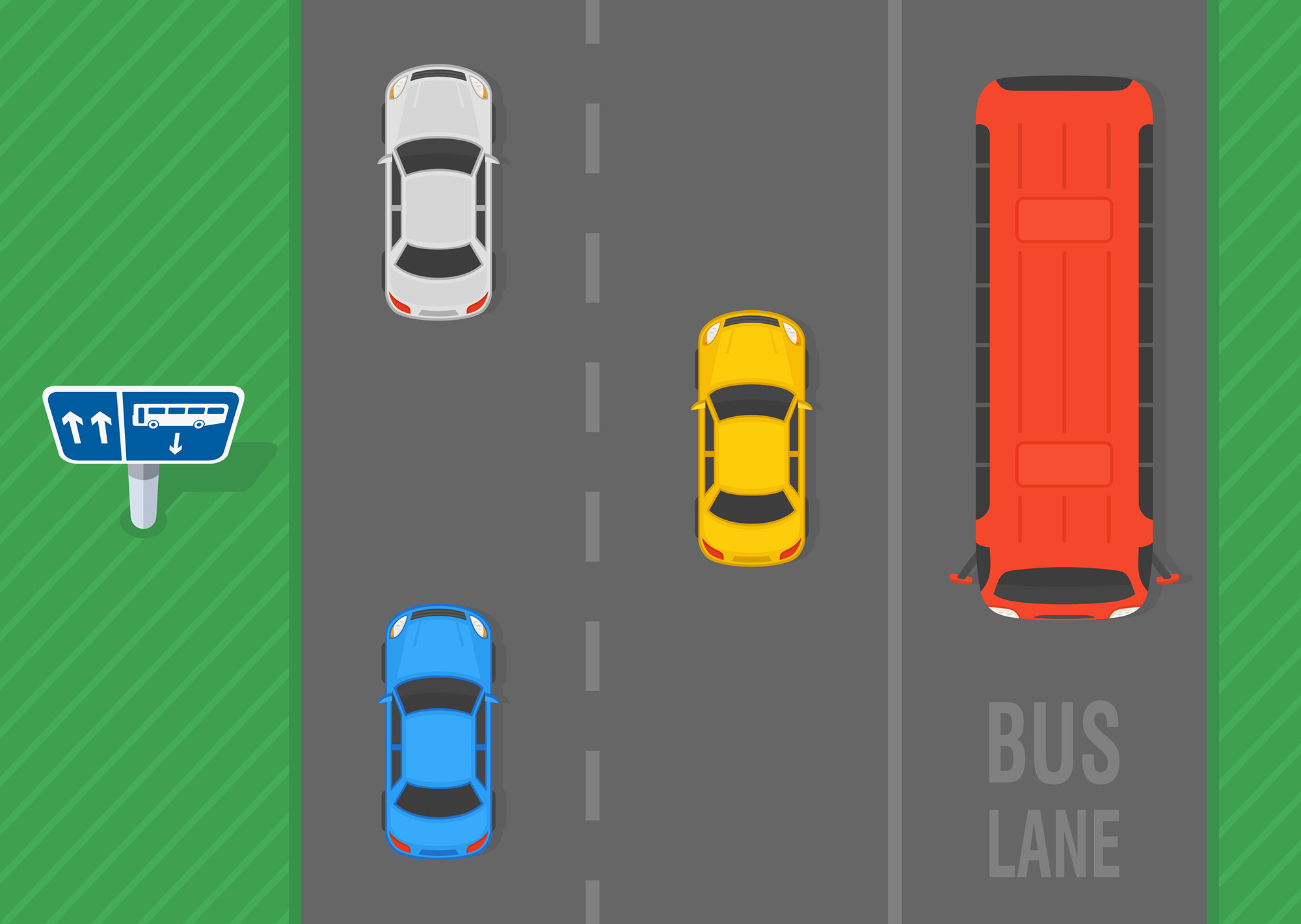
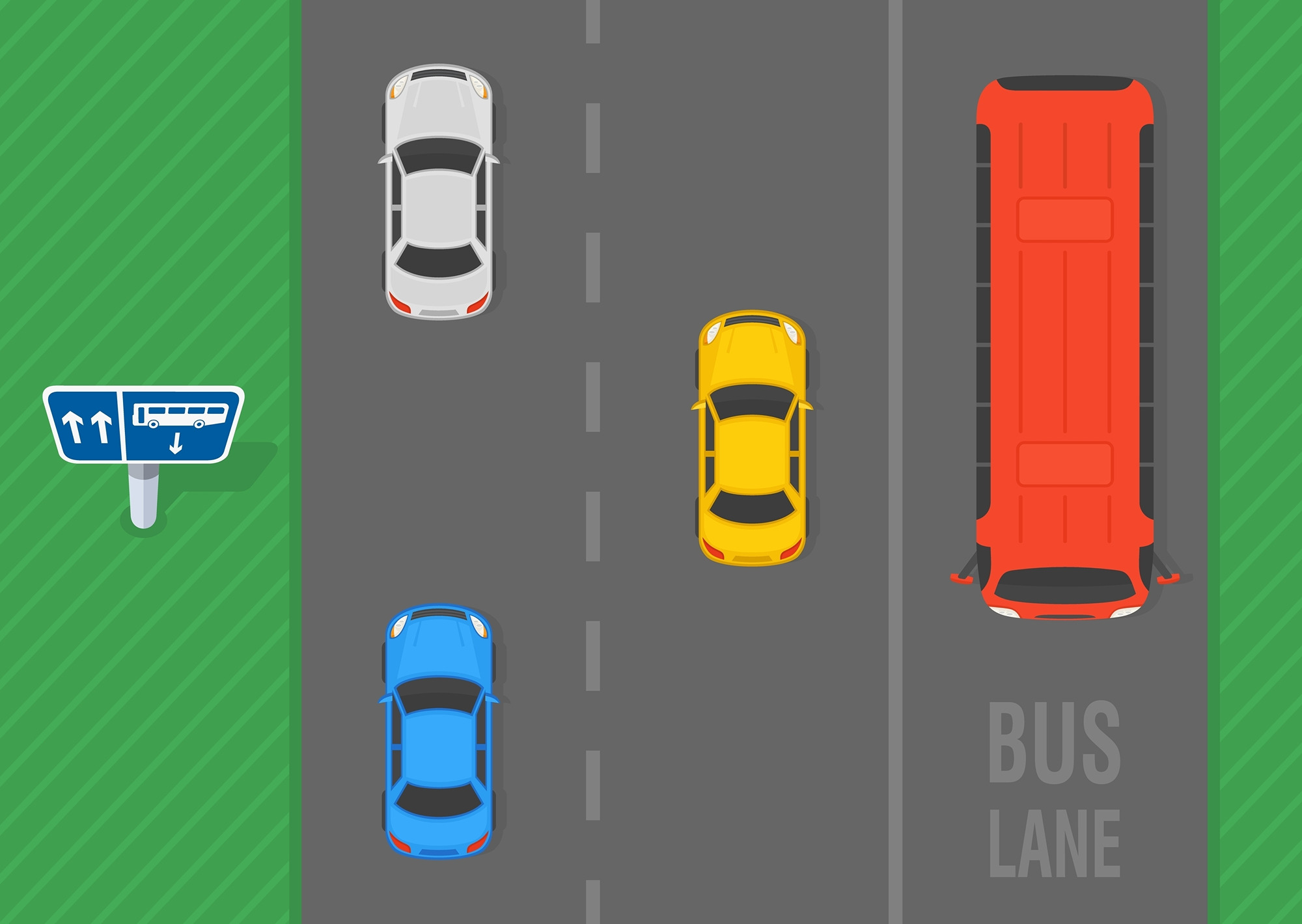
Put simply, a contraflow bus lane runs against the normal flow of traffic. While most bus lanes run alongside traffic in the same direction, a contraflow allows buses to travel in the opposite direction to other vehicles on that stretch of road.
This might sound strange at first, but it’s a clever way of giving buses a more direct route, often cutting through one-way systems that would otherwise force a long detour.
How to Spot a Contraflow Bus Lane
How to Spot a Contraflow Bus Lane
Contraflow bus lanes are always clearly marked with:
Solid white lines separating them from the traffic lane.
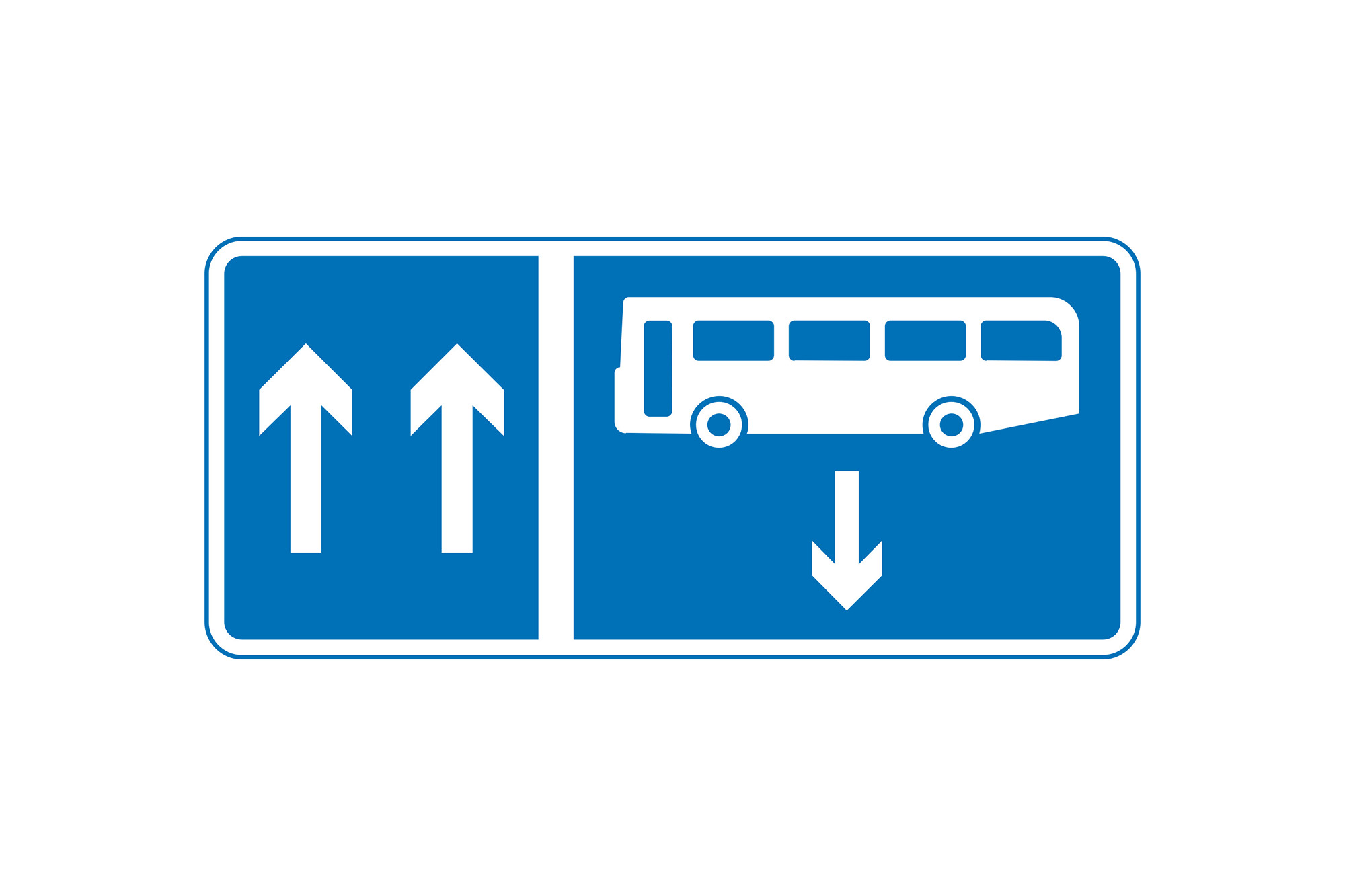
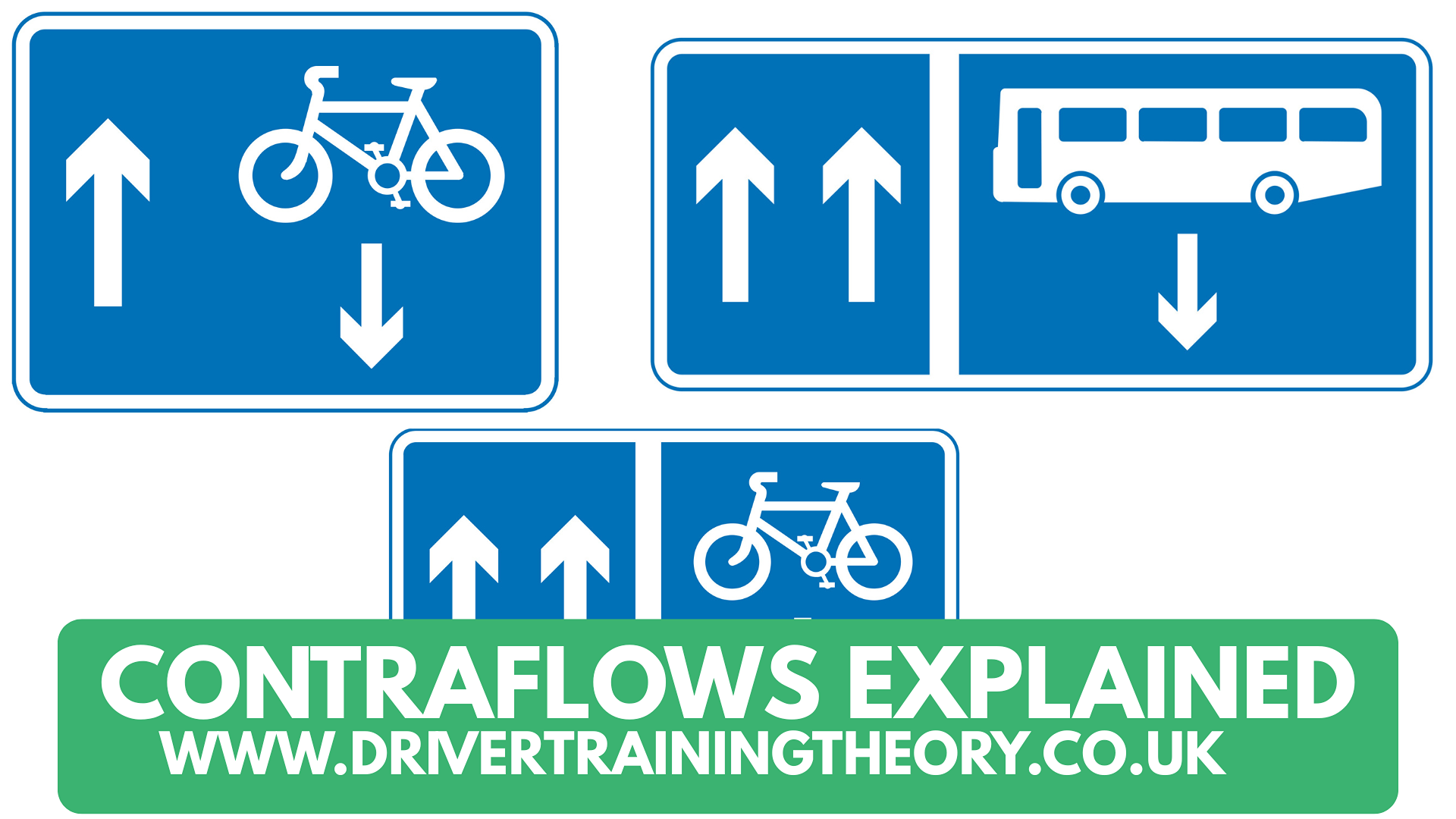
Blue bus lane signs, often showing a white bus symbol against a blue background.
Directional arrows to make it obvious that buses are travelling in the opposite direction.
They may also have supplementary signs stating the times of operation and whether taxis, cyclists, or motorcyclists are permitted to use the lane.
Contraflow Bus Lanes Explained
Why They Matter
The biggest risk with contraflow bus lanes is that drivers can misinterpret them as an open traffic lane, especially when approaching from a side road. A moment’s inattention could mean facing a double-decker head-on.
That’s why it’s vital to check signs, road markings, and the general layout carefully. The rules are not just bureaucratic red tape — they are there to prevent serious accidents.